I Went to Dubrovnik and Found a Story I Had Ignored at Home
I followed the usher’s directions and climbed the initial steps, slowly making my way up until I reached the level from where the walk along the Walls began.
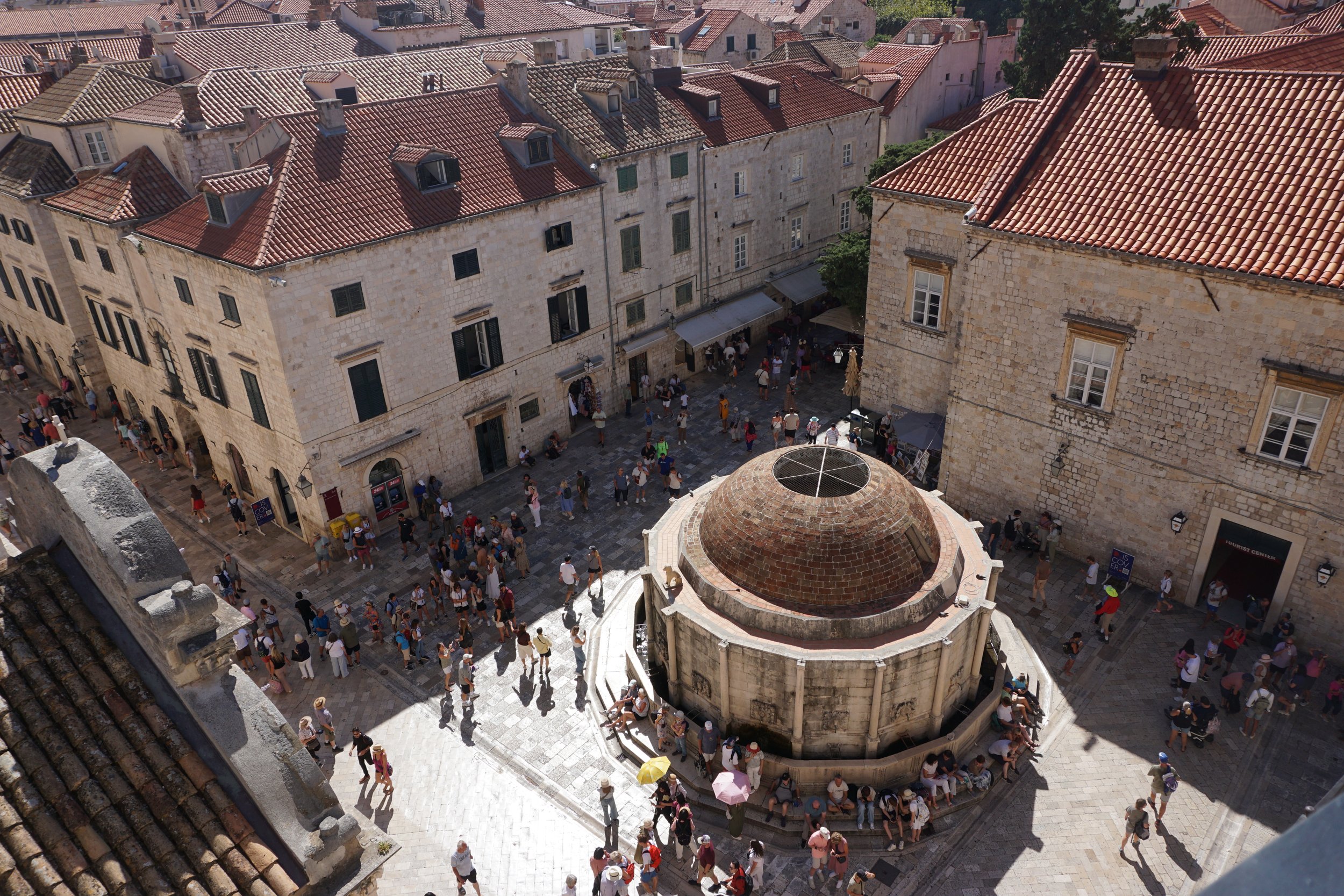
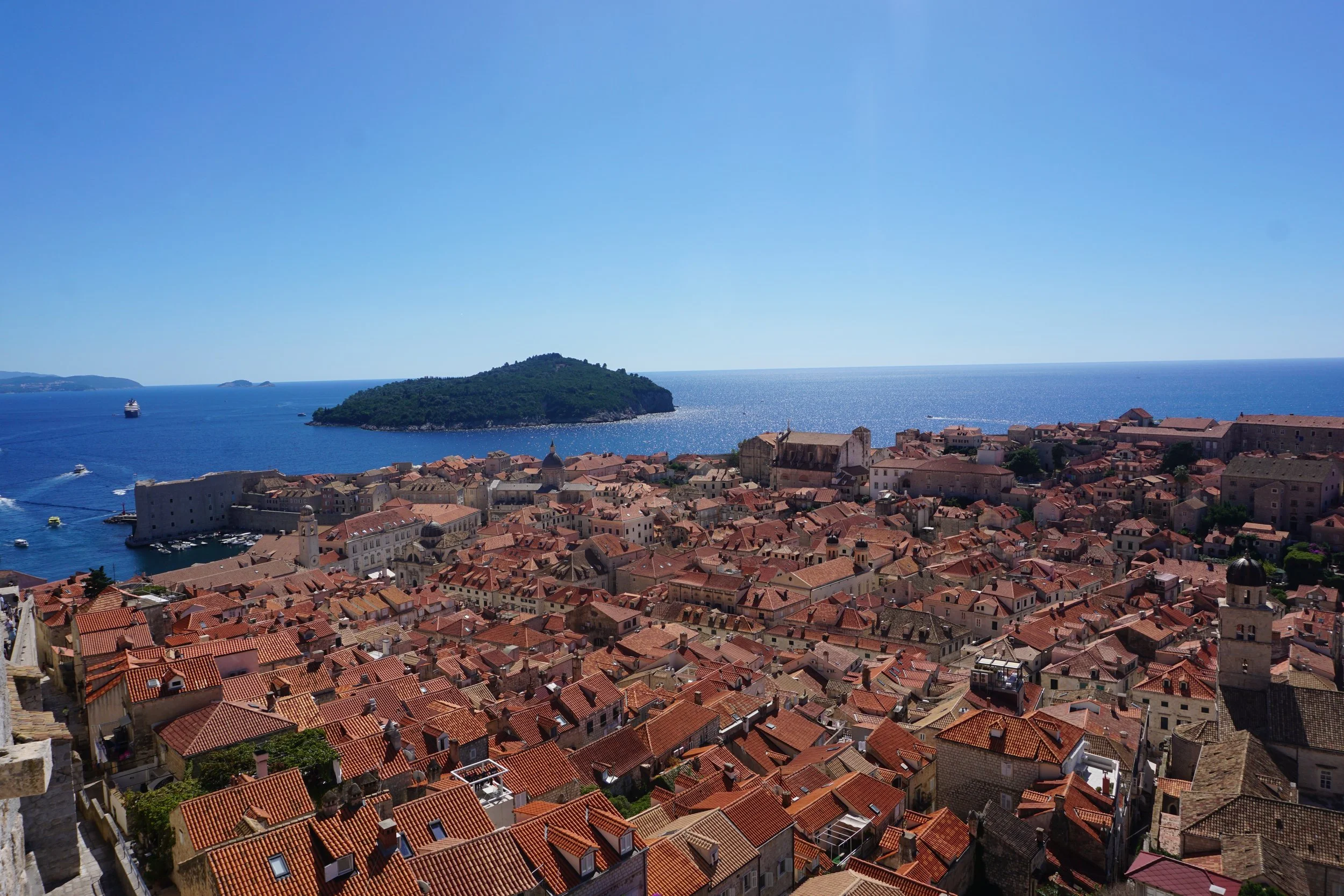
Down below, the Old Town, much like any place that draws the world in, was humming with bodies, selfie sticks, and the low roar of many languages happening at once. Crowds moved through the narrow streets, the sun was sharp, and the heat was slightly more than I was used to—perhaps a side effect of living in Ireland.
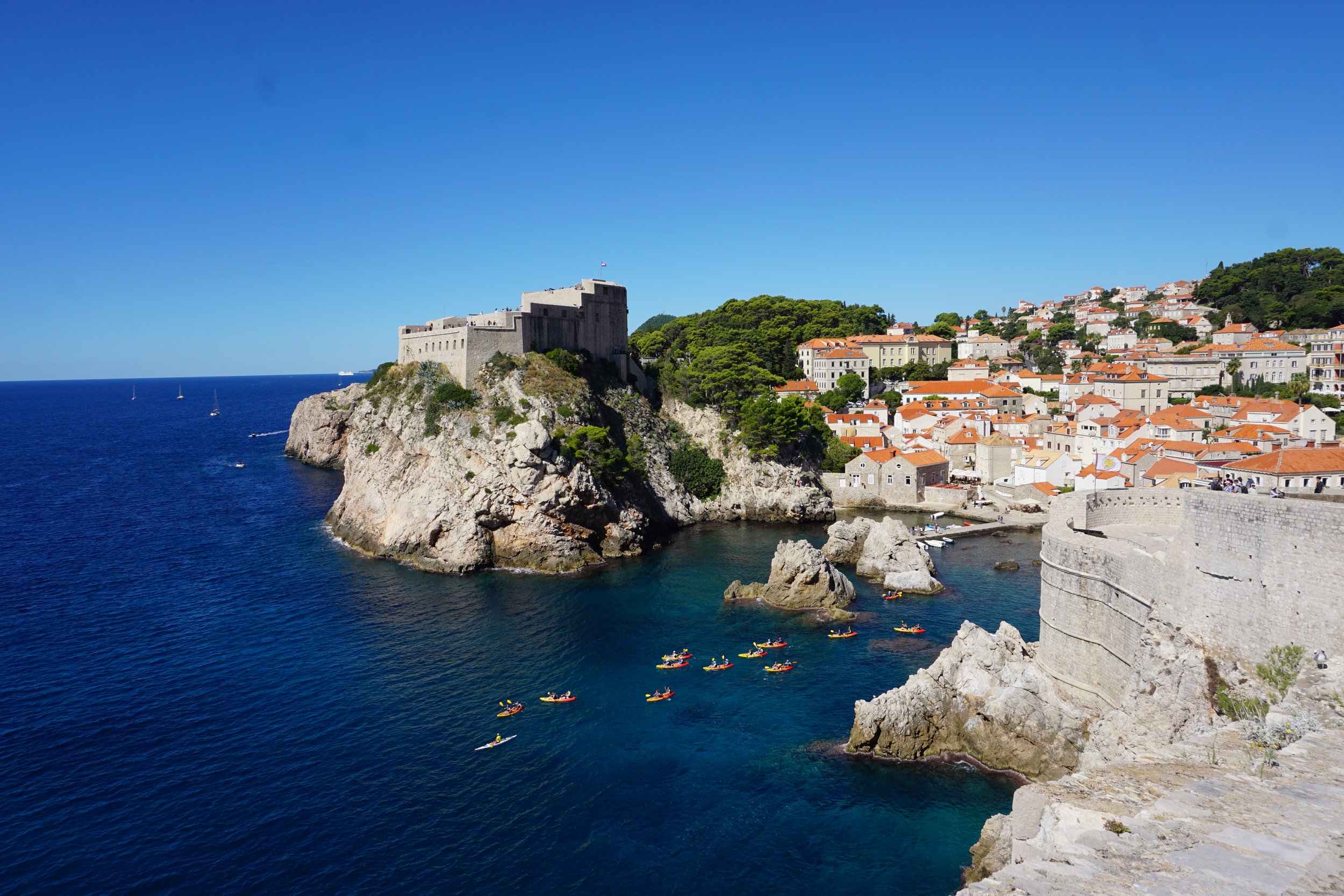
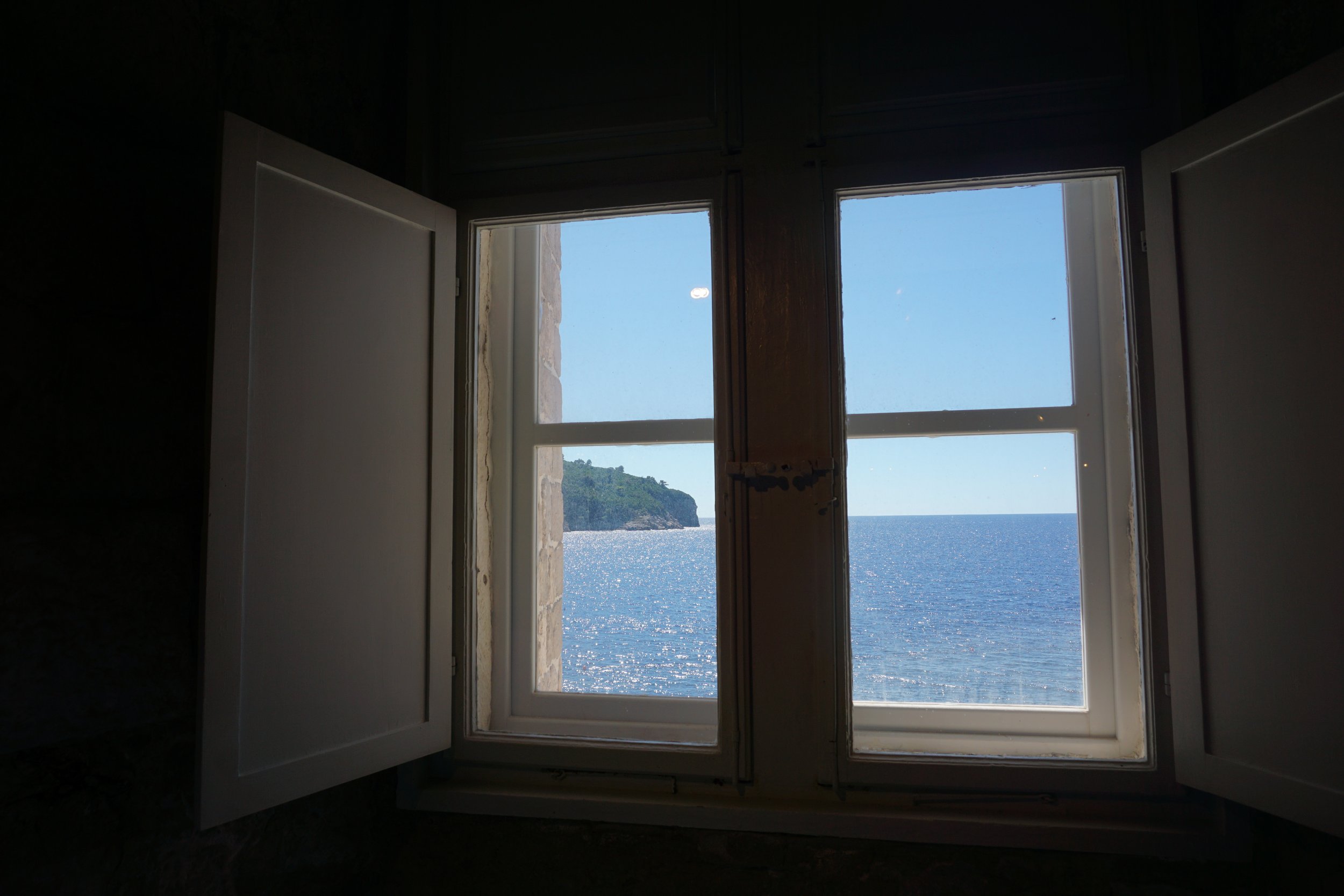
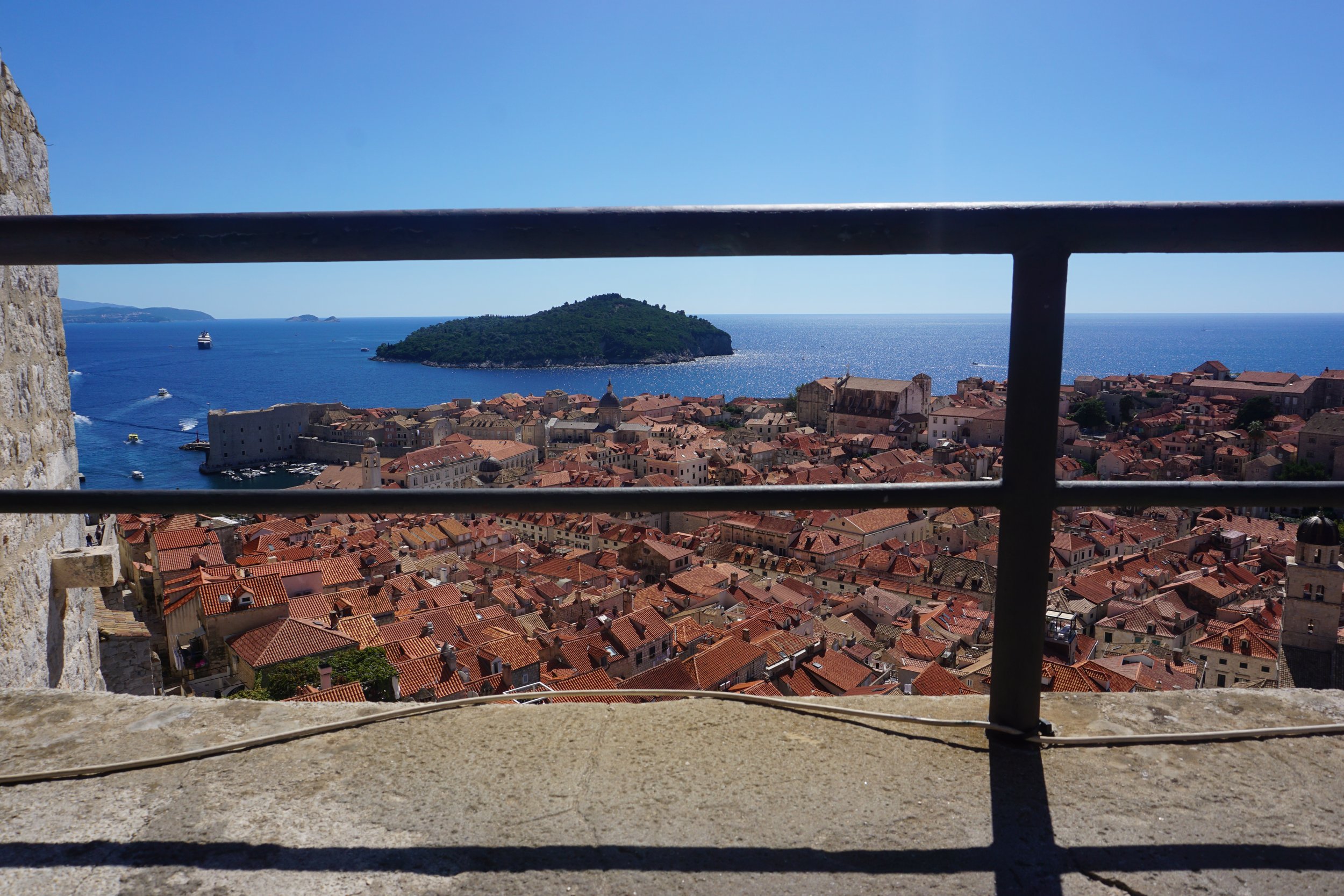
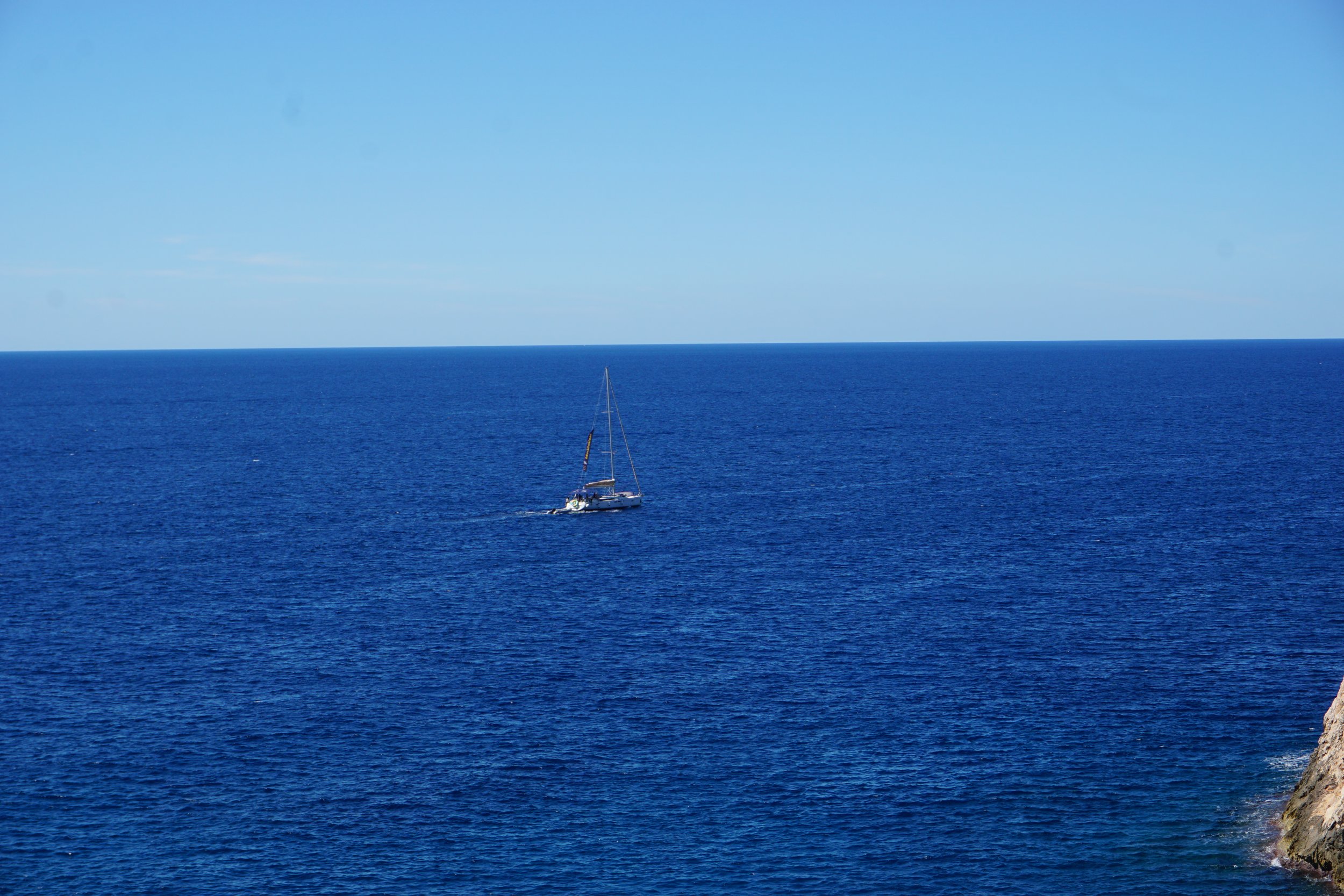
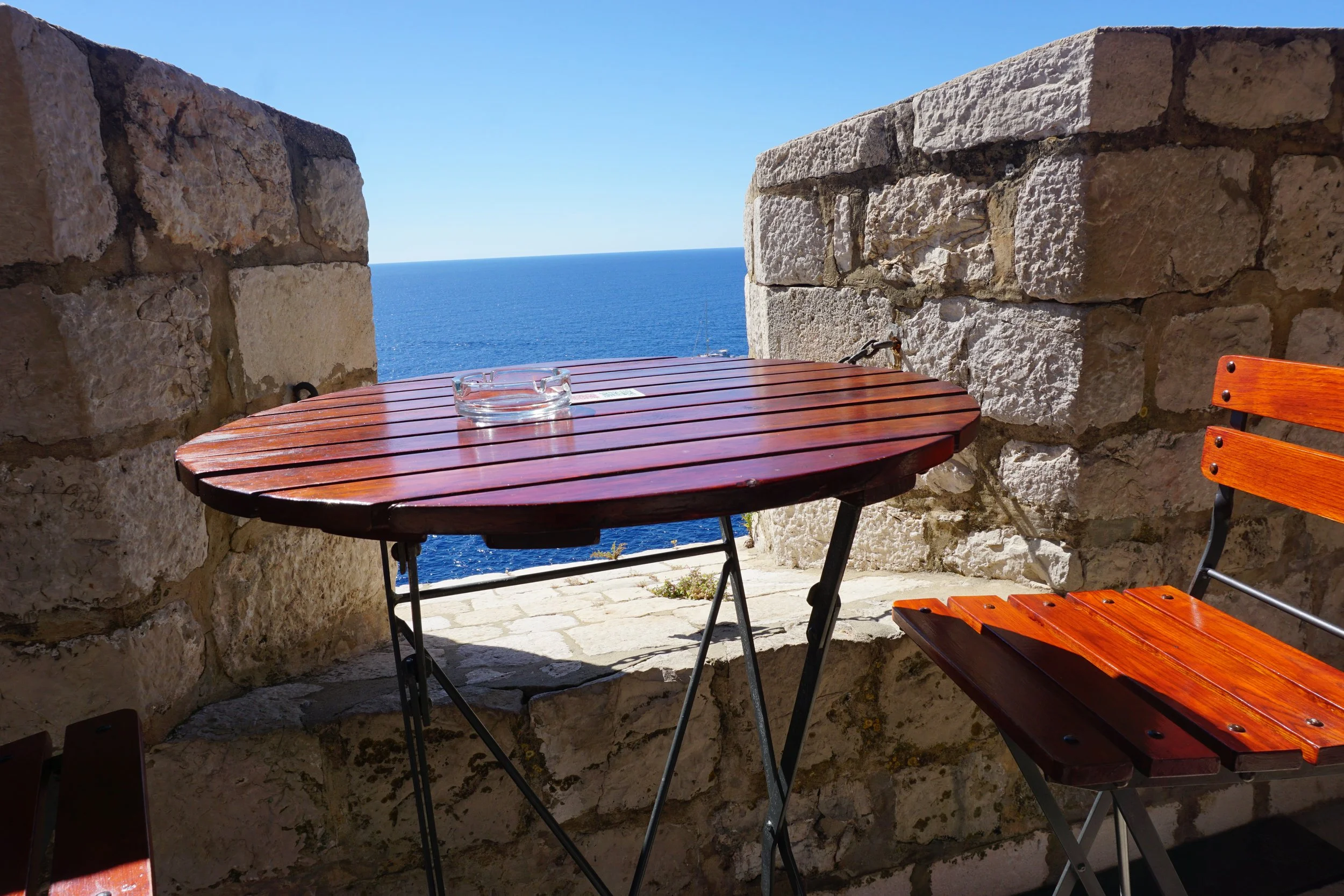
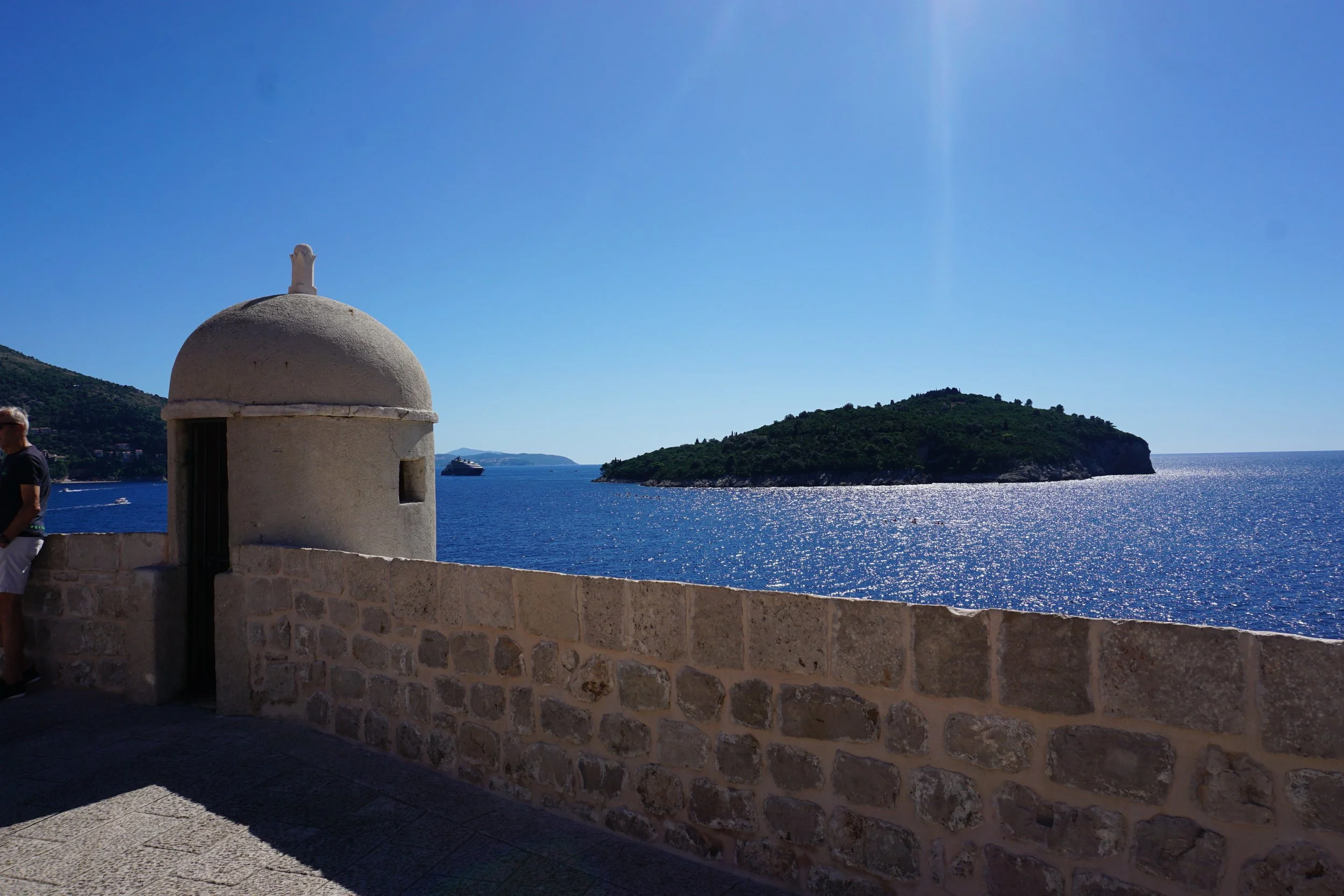
As I walked along the city walls, with the vast Adriatic opening out beside me and the cool breeze hitting my face, I found myself wondering—centuries ago, did someone climb up here just to get away from the noise of the town, to look out at the sea and find a bit of calm before returning to their responsibilities?
I felt exactly that standing there that day.
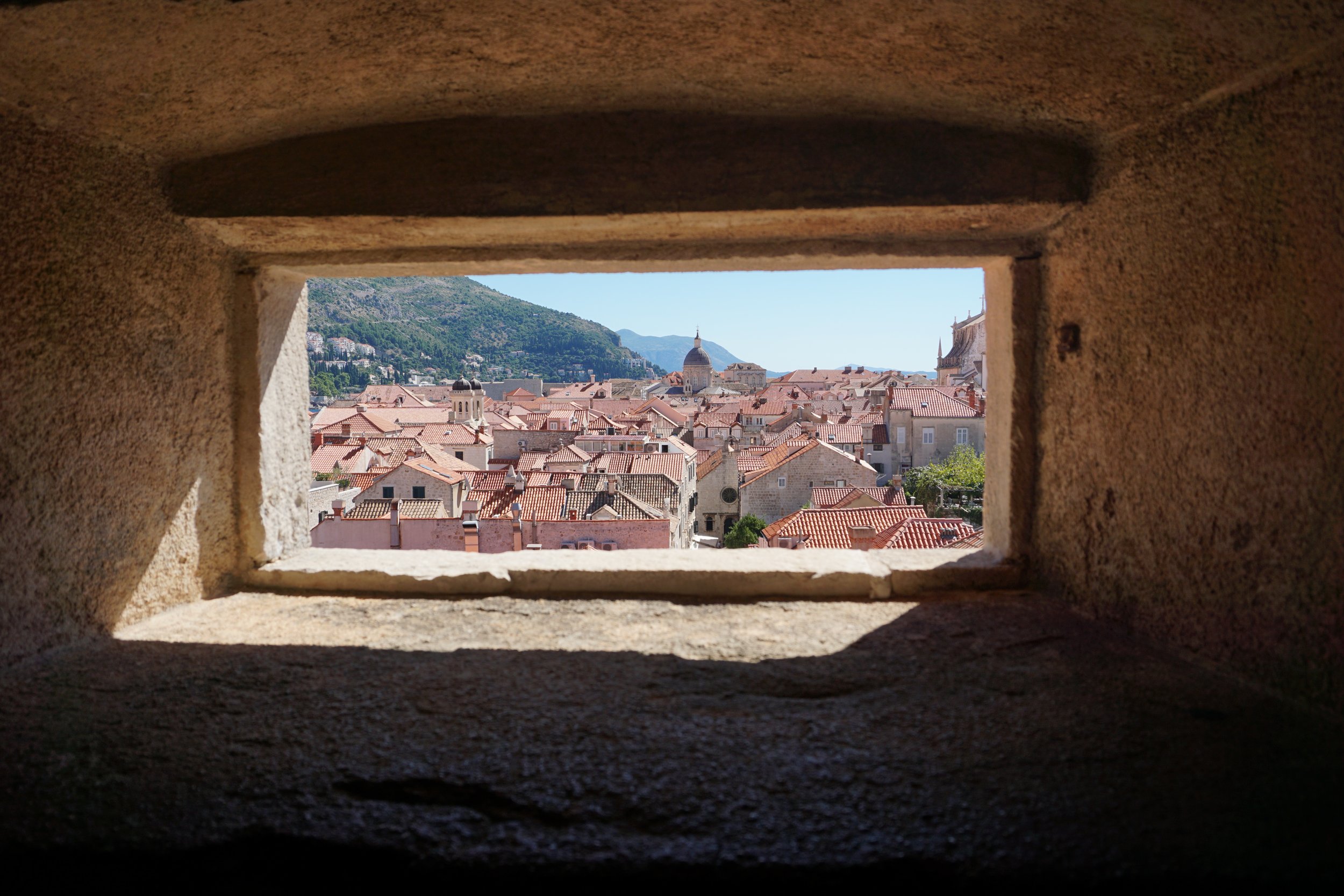
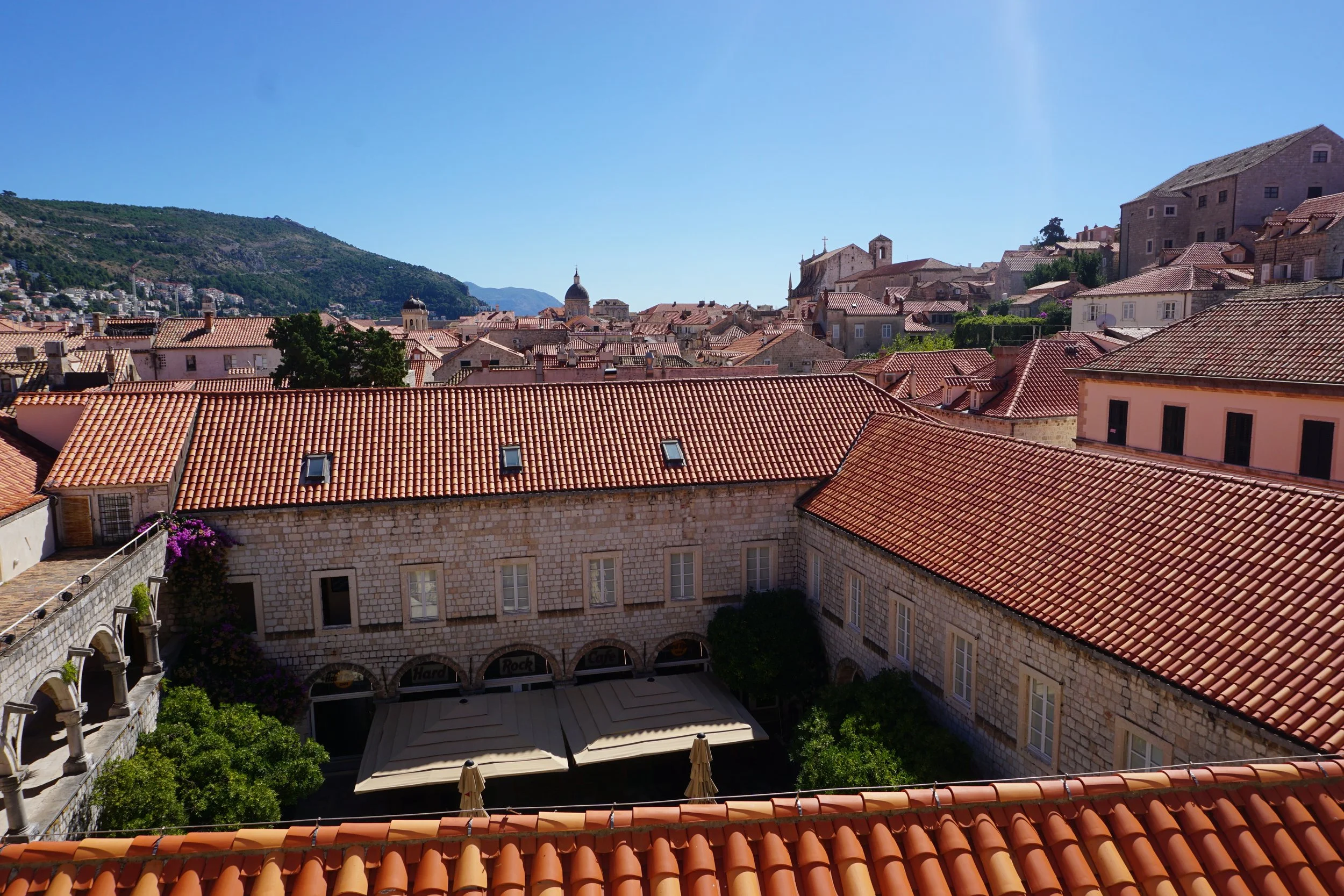
I don’t know if the residents of this town, five hundred years ago, were as taken in by Dubrovnik as I was. But it’s hard not to be. The red terracotta rooftops stretch endlessly against the deep blue of the Adriatic—one of those views that feels almost too perfect, like something out of a postcard, or a scene you’ve already seen on screen, most famously in Game of Thrones, where Dubrovnik stood in as King’s Landing, the capital of Westeros.
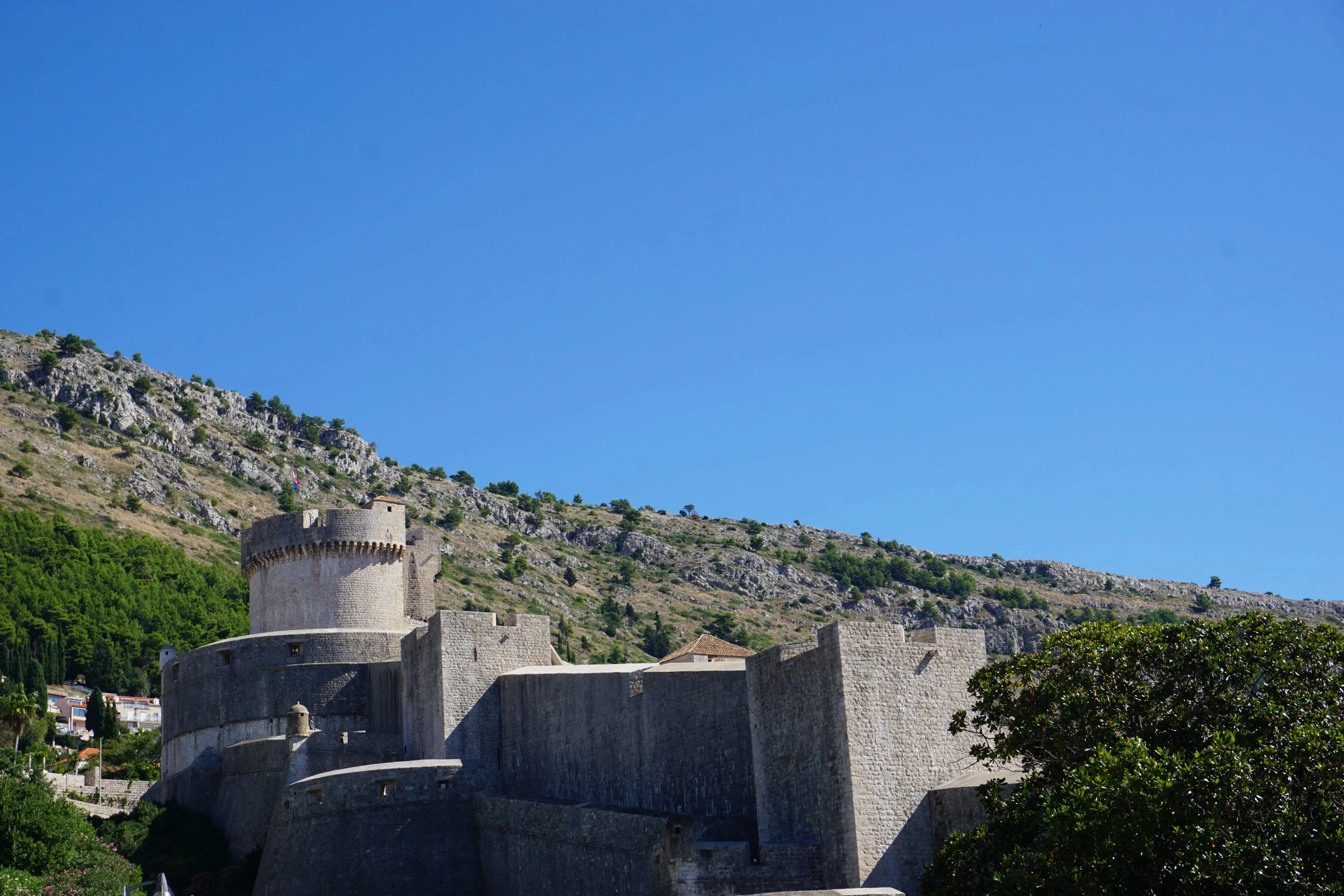
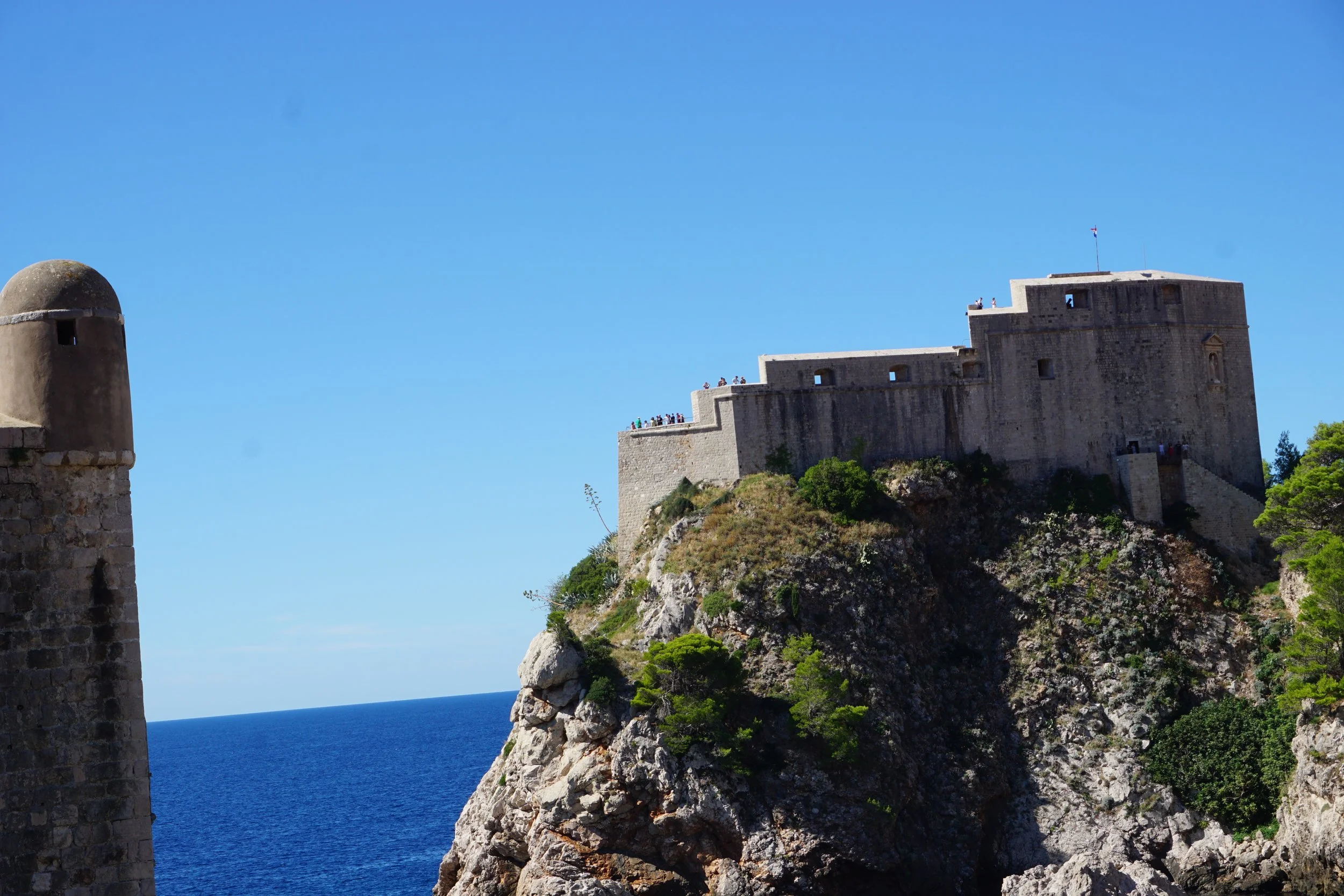
Walking through these city walls of Dubrovnik, what struck me first was not their height, but their position. The city sits on a narrow strip of land, the Adriatic on one side, steep drops on the other. Beautiful but exposed.
As I continued walking along the stone path, its scale settled in. These were not decorative fortifications. They were built to survive something very real. The thickness of the walls, the placement of the towers, the careful angles facing the sea and the land — everything about them felt deliberate, and history explains why.
In the 15th century, as the Ottoman Empire expanded steadily across the Balkans, Dubrovnik found itself in a precarious position. It was wealthy, strategically located, and increasingly vulnerable. When Constantinople fell in 1453, it wasn’t just a distant event — it was a warning. The city responded the only way it could. It strengthened what it already had, its Walls. It invested in some of the finest architects of the time from different regions and countries, and transformed its natural geography into a formidable defensive system. The walls grew thicker, the towers stronger. It was a calculation.
And standing on these Walls, looking out at the sea, I found myself thinking of a place much closer to home.
Six thousand kilometres away, in 1671, an Ahom general named Lachit Barphukan was facing a similar reality. The Mughal Empire — the same empire that built the Taj Mahal — had already established control over much of northern India and had now turned its focus eastward, towards Assam.
Lachit knew that his forces could not match the Mughal army in open-field combat. So he chose not to fight on their terms. He chose Guwahati — a landscape defined by hills, narrow passages, and above all, the mighty river Brahmaputra. At Saraighat, where the river tightens, he built his defence around the land and the water. Mud embankments, trenches, strategically positioned forces — every decision shaped by geography, just as Dubrovnik had been. He was so uncompromising in this preparation that when he discovered his own uncle had been negligent in building the river embankments, he drew his sword and said — "My uncle is not greater than my country" — and had him executed on the spot.
I grew up not far from that river. The Brahmaputra was always there — wide, steady, almost indifferent. It was part of the background of everyday life. I don’t remember ever thinking of it as anything more than that. Certainly not as something that had once defined the fate of a region, I call home.
And that is what stayed with me on those walls.
Where I come from, there’s history just as rich, just as important — and somehow, I managed to grow up right next to it and barely pay any attention. Not because it wasn’t there. Just because I never really bothered to look.
And the slightly annoying part is — I didn’t need to come all the way to Dubrovnik to realise this. I could have figured it out much earlier. All it really takes is a bit of curiosity about where you come from — the people before you, the place that quietly shaped you into who you are. Most of us just don’t think about it. I certainly didn’t.
Looking back, I feel like this is something we get wrong early on. History becomes this thing you study to pass exams, not something you actually connect with. Schools do their part, sure — but it can’t stop there. Someone has to make it feel real. Parents, teachers… even ourselves at some point. Otherwise, it just stays in textbooks, and we never realise that it is actually our own story.
And you don’t realise what you’ve missed until you’re standing somewhere else, admiring how well another place remembers itself… and wondering why you never did the same.