For One Glorious Moment, Croatia Had a Dish Named After Me
Throughout my ride to Kvaternikov trg, I had been messaging someone from Seven Stories Rooms—my place of accommodation in Zagreb—requesting them to allow me to check in by 9 AM.
The official check-in time was 11.
Still, I tried my luck.
My entire day was built around that one decision—check in early, freshen up, and head out for a full-day trip to Plitvice Lakes National Park.
But the reply came.
No exception. Rules were rules.
And just like that, my plan for the day collapsed.
For a few minutes, I tried to rework it in my head. Then I convinced myself that maybe it was for the best. After a week-long trip that had already taken me from Denmark to Italy and now Croatia, I probably didn’t have the energy for Plitvice anyway.
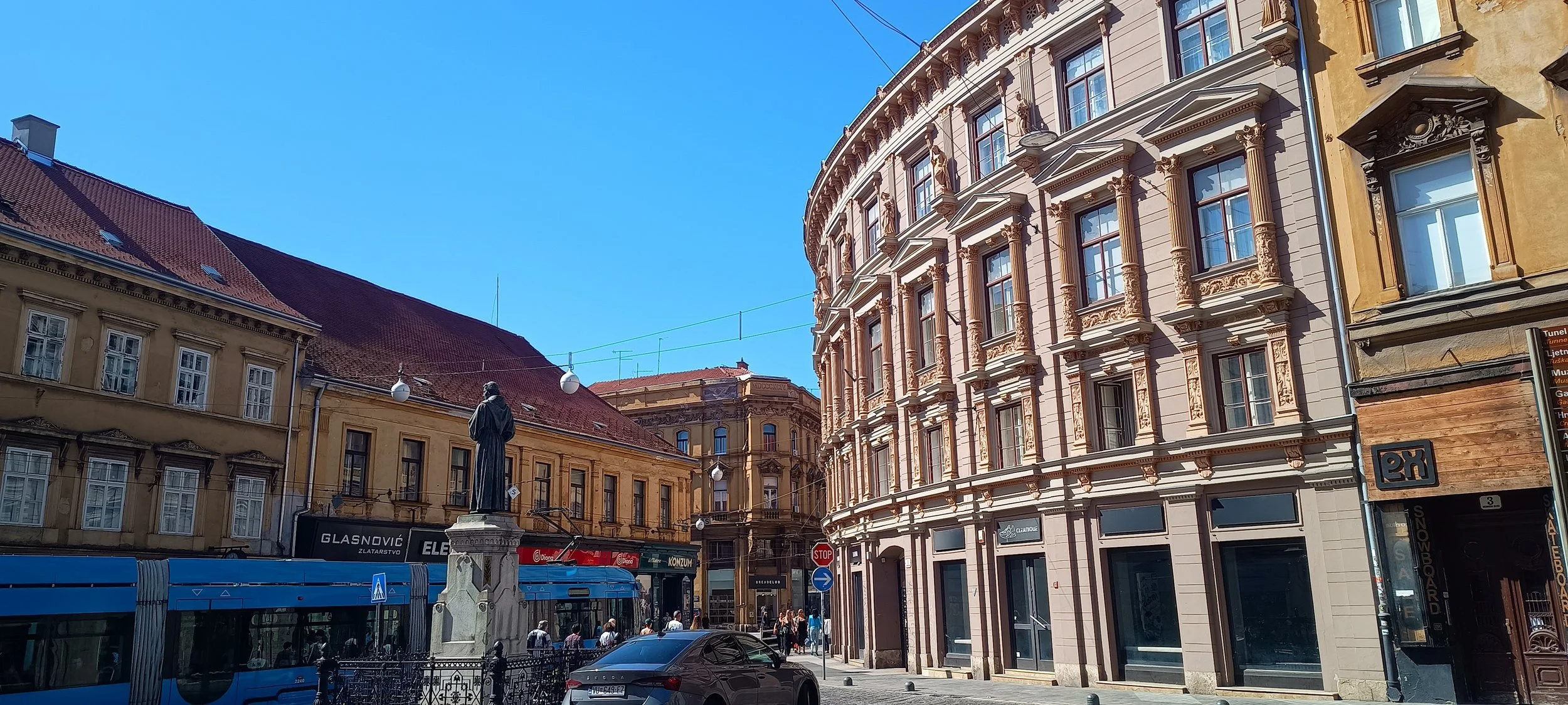
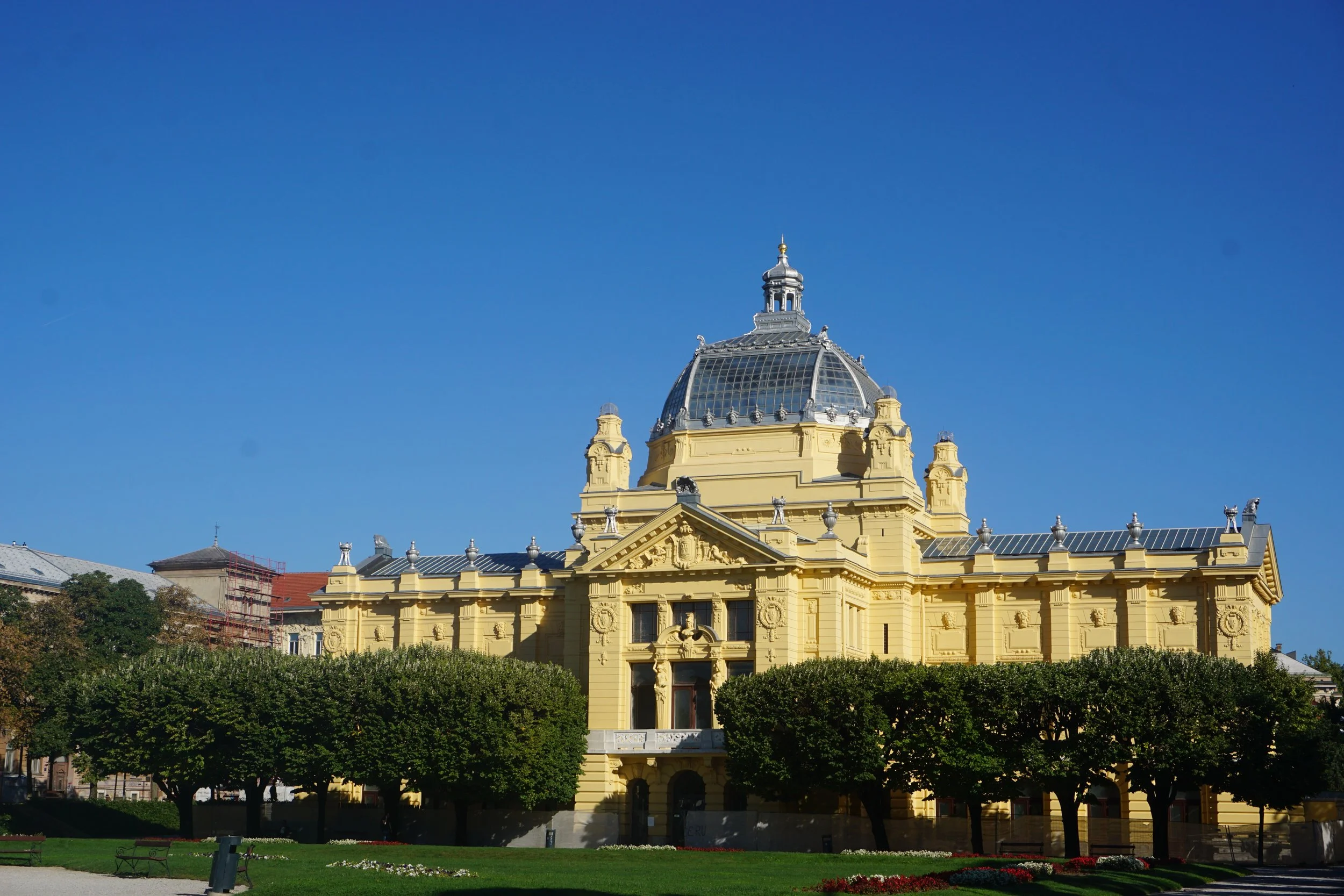
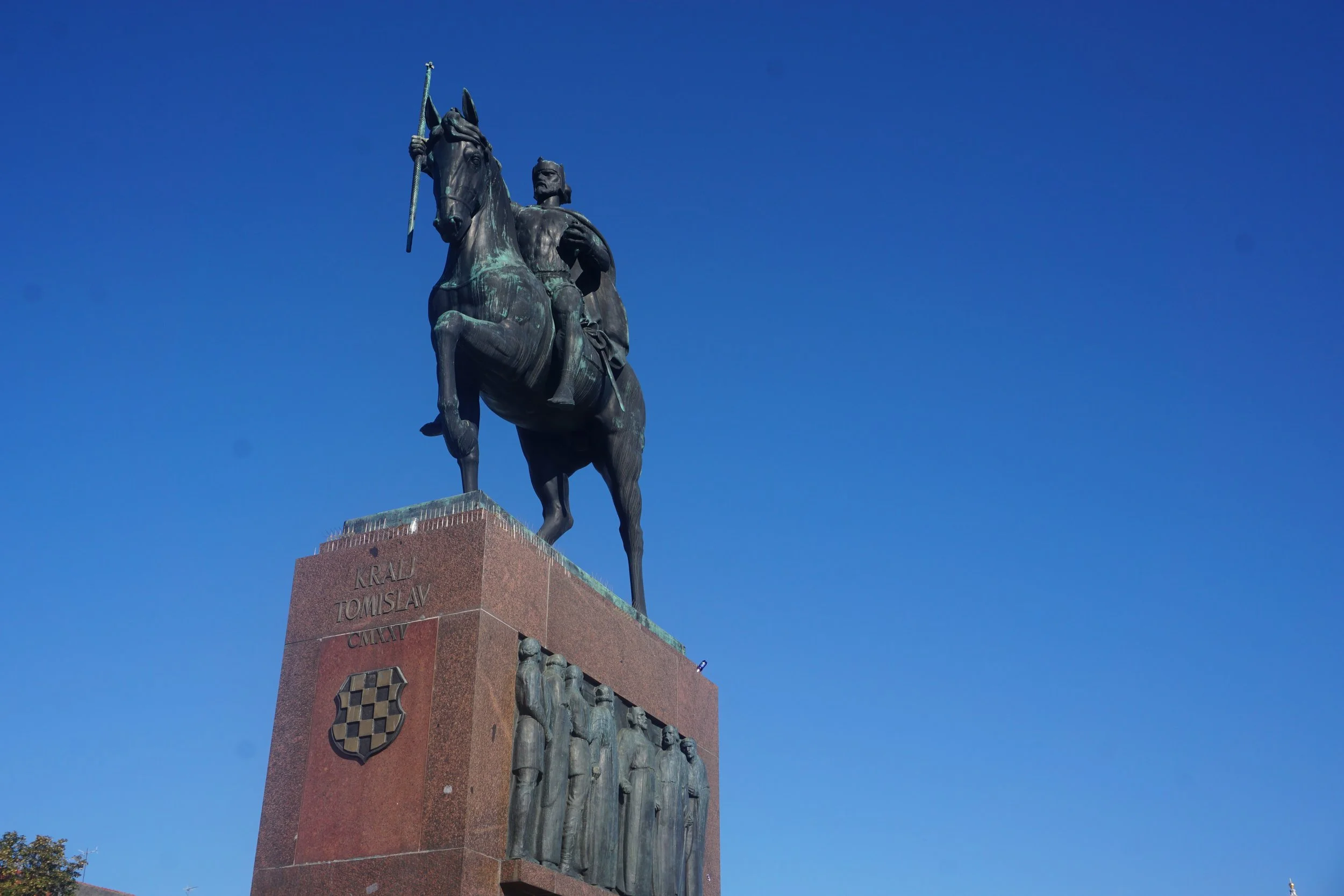
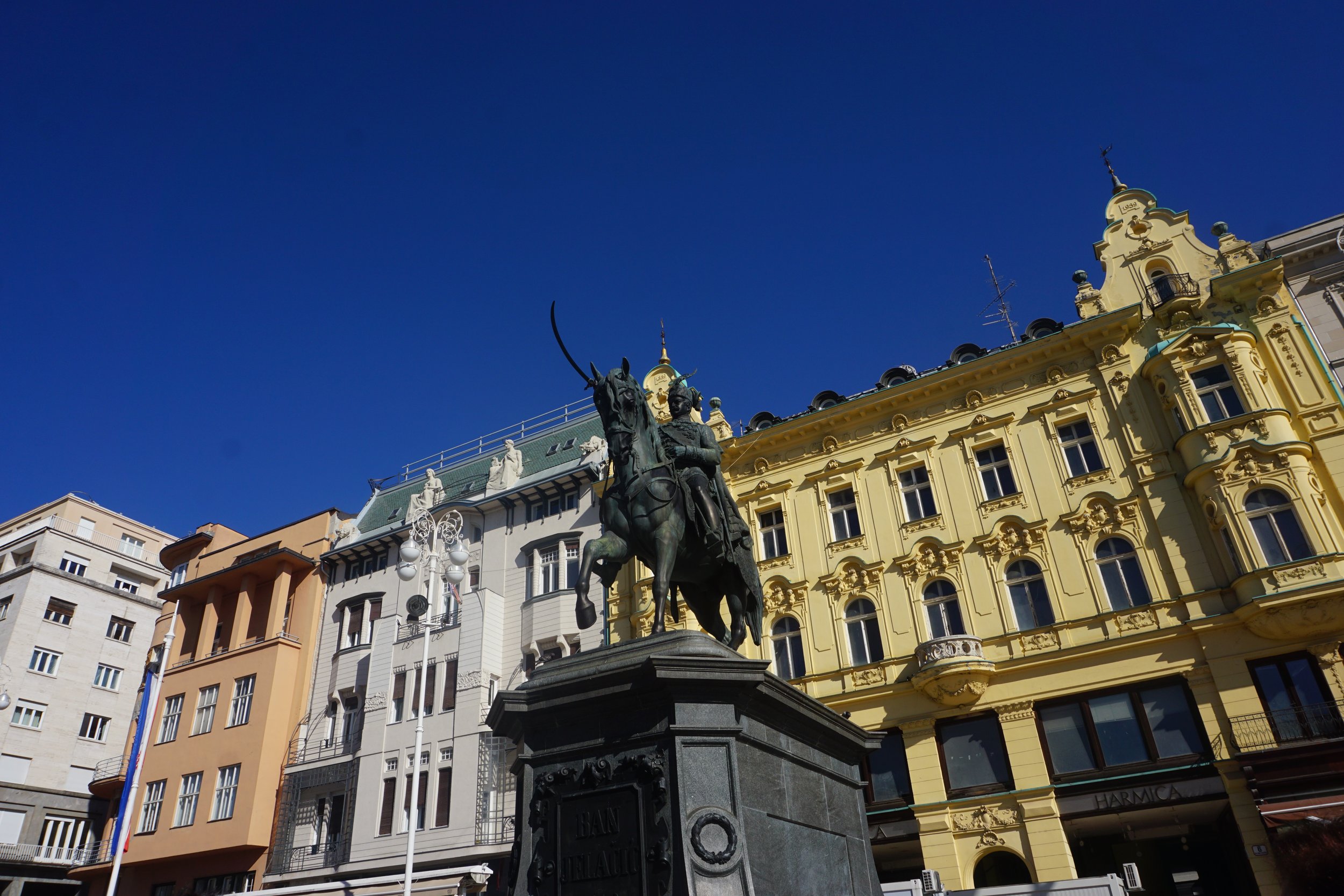
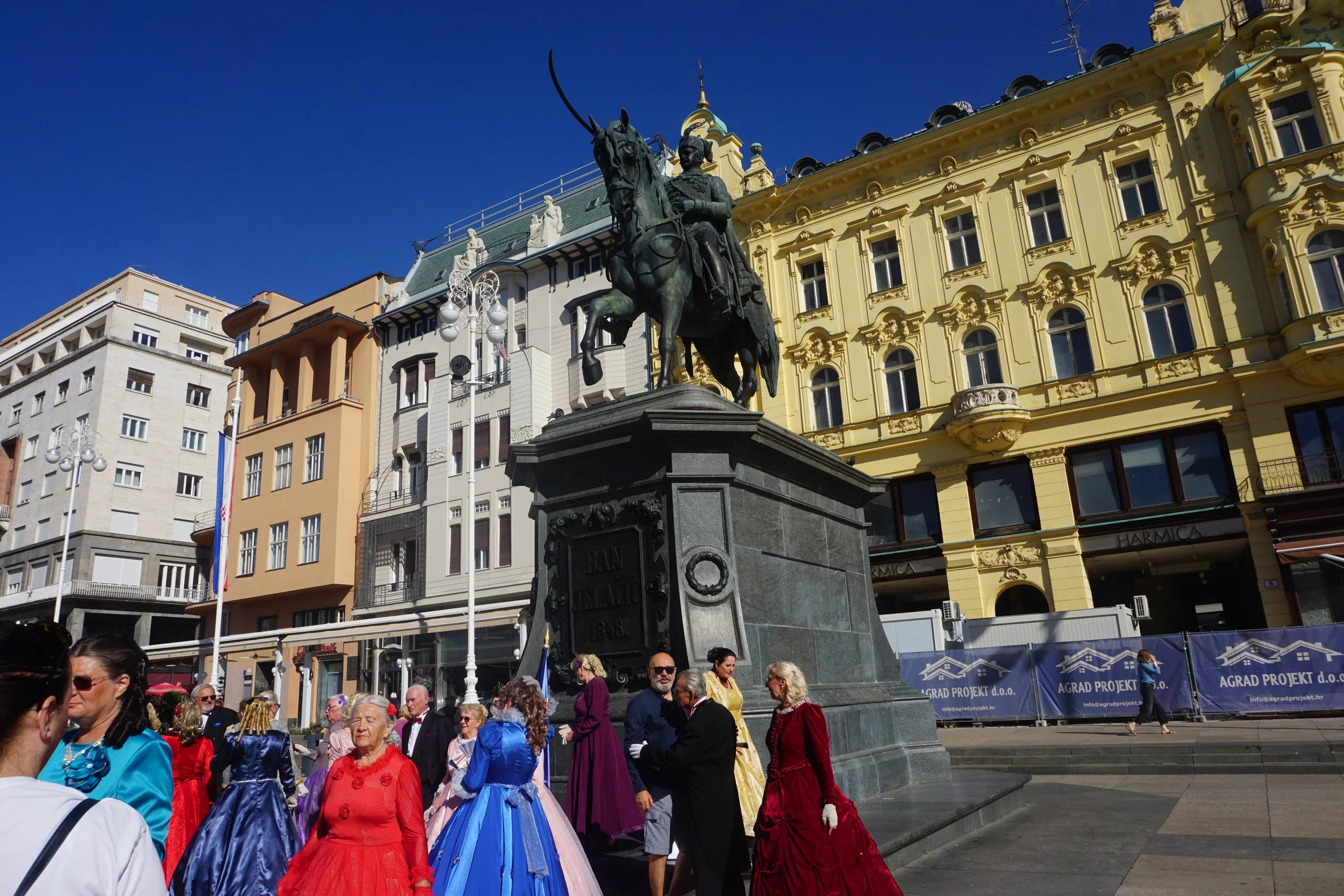
So I stayed. And decided to explore Zagreb city instead. It started from King Tomislav Square, named after Croatia’s first king.
As I continued through the beautiful gardens, something caught my attention.
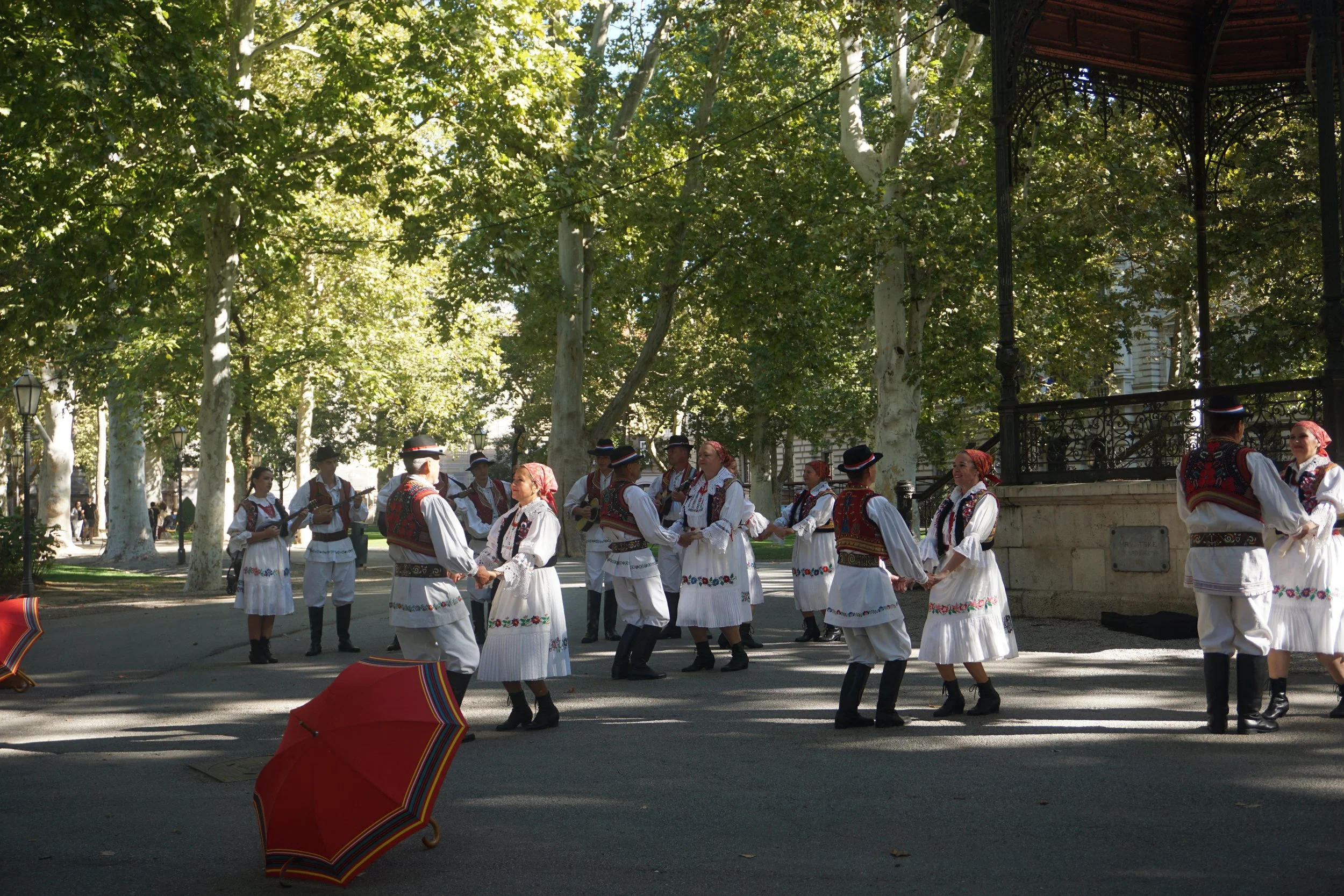
In three different instances, within just a few minutes, I saw three different groups performing what looked like traditional dances. One group had older men and women, another had younger boys and girls.
But there was a pattern.
At some point, they all formed a circle. Hands locked at the elbows, moving together rhythmically to the sound of traditional instruments.
This was Kolo—a circle dance common across Croatia and other Slavic regions.
They danced with a kind of ease and joy that didn’t seem to expect anything in return. Sometimes they broke formation, pairing off, then returning to the circle again. Some people stopped to clap and even sing along. Others kept walking, but with their heads turned, their lips carrying a nostalgic smile. I too wore a smile— not of memory, but of pure wonder at the rhythm.
Something about it felt familiar.
Back home in Assam, a similar energy exists in Jhumair—the dance of the tea-tribe communities. There too, men and women perform together, combining dance and music, wearing traditional costumes, moving in rhythm to songs passed down over generations.
And yet, as I stood there, I realised something that didn’t sit well with me.
I had never actually seen a Jhumair performance. Not even once. Despite growing up not far from tea gardens.
———————-
By noon, hunger started to take over.
My right leg was still reminding me of the previous day in Dubrovnik. The pain hadn’t gone—it was just waiting for the right moment to return.
I didn’t have the energy to walk around checking restaurants, and I definitely didn’t have the patience to scroll endlessly through options online.
But I knew one thing.
I had to try something local. Something I had never heard of.
The sun wasn’t helping either. Combined with the tiredness, I was desperately looking for shade. Finding an awning felt like a small victory. I stood under it, occasionally lifting my right foot a few inches off the ground to give it some rest.
Didn’t help much.
With no energy left for research, I outsourced the decision to random strangers on the internet.
Within seconds, they chose for me.
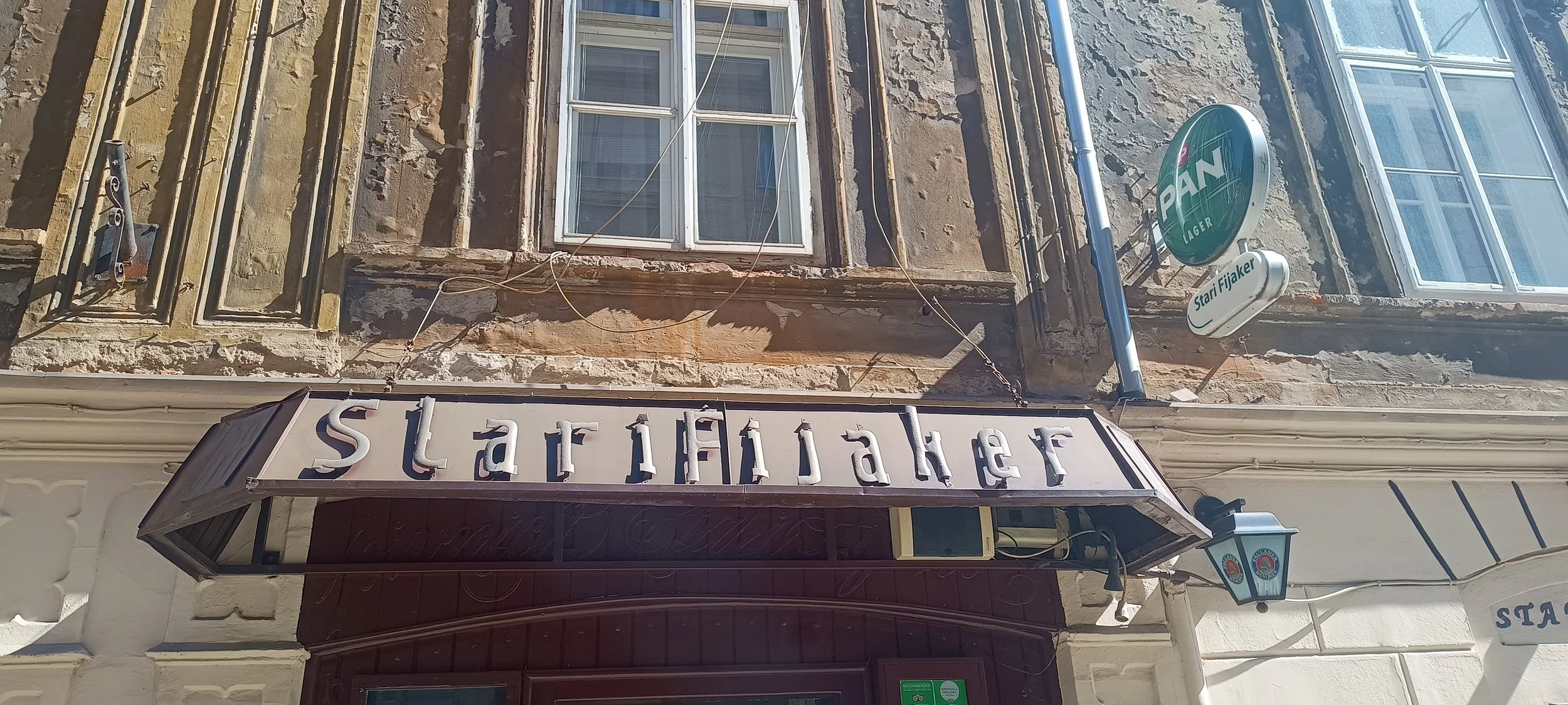
Stari Fijaker.
4.6 rating out of 5. Nearly 4000 reviews. Good enough.
I took out my phone, entered the name into Google Maps, and started walking—carefully, slowly, with a face that probably made it very obvious I was in pain.
Every step felt heavier than the last.
Soon, a warm interior welcomed me into Stari Fijaker.
I immediately took a seat on a high stool at the reception. At last, my leg got some rest.
Behind the counter sat an elderly woman. She looked at me and smiled—one of those simple, unforced smiles that instantly makes you feel at ease.
The restaurant was busy. Waiters moving from table to table, some taking orders, others clearing plates, a few walking out of the kitchen with trays full of food.
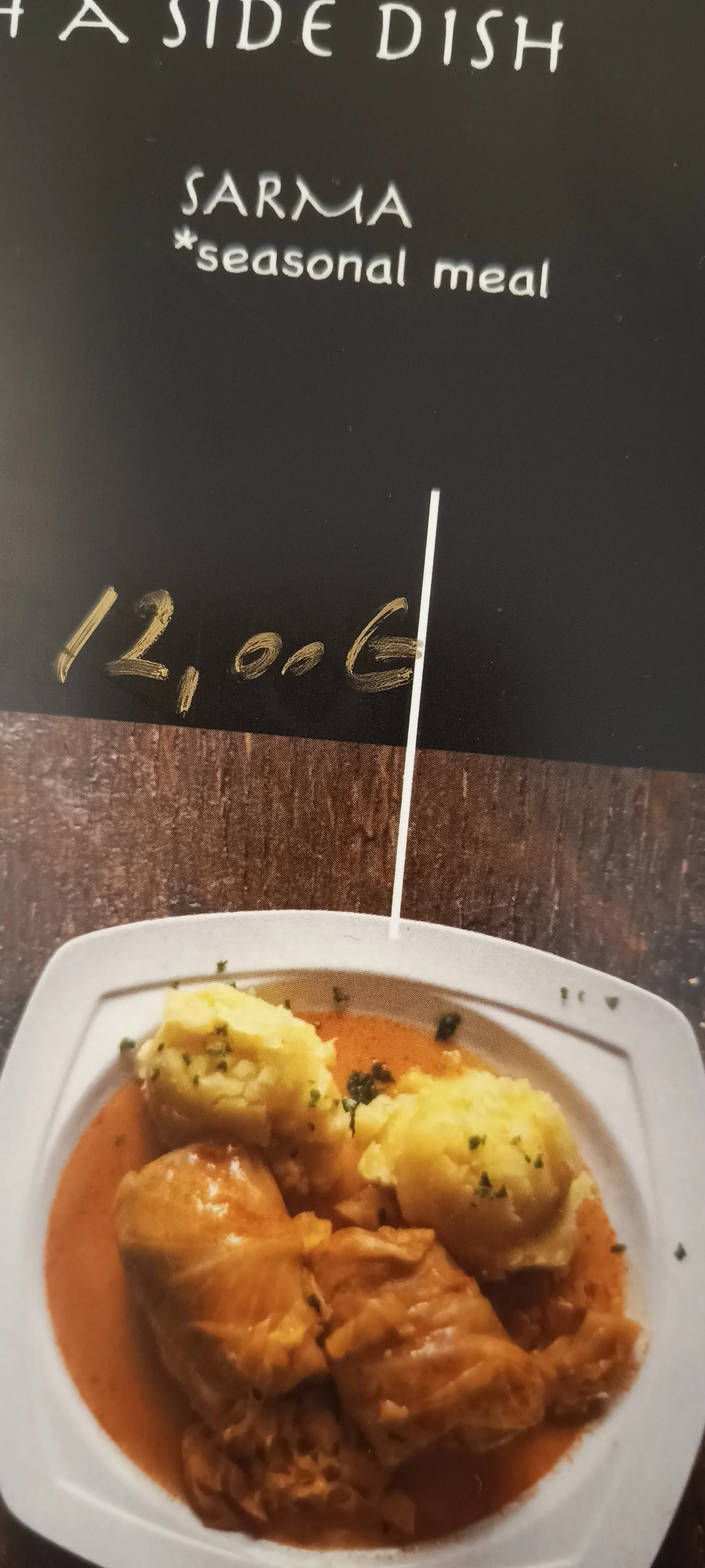
I was quietly scanning the place when my eyes landed on something on the wall.
A larger version of the menu, perhaps.
And there it was.
“SARMA.”
What are the odds? “That was my last name displayed on a wall at a restaurant in Croatia”
I couldn’t stop smiling.
Soon, a man walked in—bald, lean, short grey beard, dressed neatly in a long-sleeved patterned white shirt, black tie, navy-blue trousers, and tanned Oxford shoes. But what stood out the most was his smile. It had a kind of warmth that made even someone like me—who avoids conversations—feel like talking.
He noticed me looking at the menu.
“Hello, Sir. How are you?” he asked kindly.
“You know,” I said, “my last name is Sharma. And Croatia has a dish named after my last name.”
His eyes widened while he laughed, clearly amused.
“Really? Do you spell it the same?”
I spelt my last name out for him.
S-H-A-R-M-A.
He smiled and said, “Ahh, then it’s not the same. There is an H in your name”
“No, no,” I pushed back. “Where I come from, ‘Sharma’ and ‘Sarma’ are used interchangeably. Please don’t take this moment away from me.”
He laughed. I joined him.
“Can I have a table for one?”
He scanned his tablet without looking up.
“There will be a table free by one o’clock.”
“Perfect. Please reserve it. I’ll be here to try Sarma.”
There was a pause.
“Unfortunately, Mr. Sharma,” he said, still smiling, “it’s a seasonal dish. We don’t prepare Sarma this time of the year.”
Of course. That word again.
“Unfortunately.”
Lately, words like “unfortunately” and “sadly” seem to be following me around more than I would like.
I scanned through the menu again. Some other dishes didn’t sound familiar, which meant I could try something local from the menu — a dish I had never heard of.
I assured him I would be back by one o’clock and stepped out.
The moment I did, my leg reminded me it wasn’t done with me yet.
Thirty minutes to kill, and it felt like an hour.
There were no kerbs where people were sitting. I didn’t want to be the first one to sit randomly on the street, so I kept walking—slow, uneven steps, almost like walking through quicksand.
I circled the block twice, watching the time more than the streets.
Finally, it was one o’clock.
I went back in.
The same warmth. The same energy.
He showed me to my table.
This time, I asked for a recommendation.
He said something that I couldn’t find in the menu. So I asked him to point to it.
It read “Seljački ručak”.
I tried to pronounce it. Failed.
Tried again. Failed again.
At some point, I just gave up and nodded positively.
When the plate arrived, I understood the name immediately.
Seljački ručak meant Farmer’s lunch.
The quantity was ridiculous—for someone of my build, at least.
Sausages, bacon, potatoes, and stuffed peppers with minced meat—the closest thing I was going to get to ‘Sarma’, a dish of minced meat wrapped in cabbage leaves.
I imagined someone working in the fields all day, coming back to this plate. It made sense for them.
Not for me.
It took me almost thirty minutes to finish it.
The last ten minutes were not hunger; they were commitment.
I didn’t eat again until I finally reached Dublin—a personal best of 33 hours without food. The first 24 hours, to be fair, were mostly just fullness from that enormous meal. But the remaining hours became something else entirely: a small challenge I quietly gave myself, to see how far I could take it. After all, if my cave-dwelling ancestors could survive days with far less, surely I could handle a few extra hours.